
Japan has a way of exceeding expectations across the board. The food is better than you imagined, the public transport is more seamless than anything you have ever used, and the gap between what you see in photos and what you actually encounter when you walk out of the airport is smaller than almost anywhere else in the world. It is also genuinely challenging in ways that make the experience stick: the language barrier is real, social integration takes sustained effort, and the culture operates on a set of unspoken rules that takes time to read. All of that is part of what makes a semester here so worthwhile.
Beyond Abroad gives you access to two of Japan’s most compelling cities: Tokyo, where you can study at Temple University Japan, and Kyoto, where Temple opened a second campus in January 2025. Both cities are extraordinary. They are also very different places to live, and the right choice comes down to what you are actually looking for from your time abroad. This guide breaks it all down honestly, so you can make that call with confidence.

Tokyo
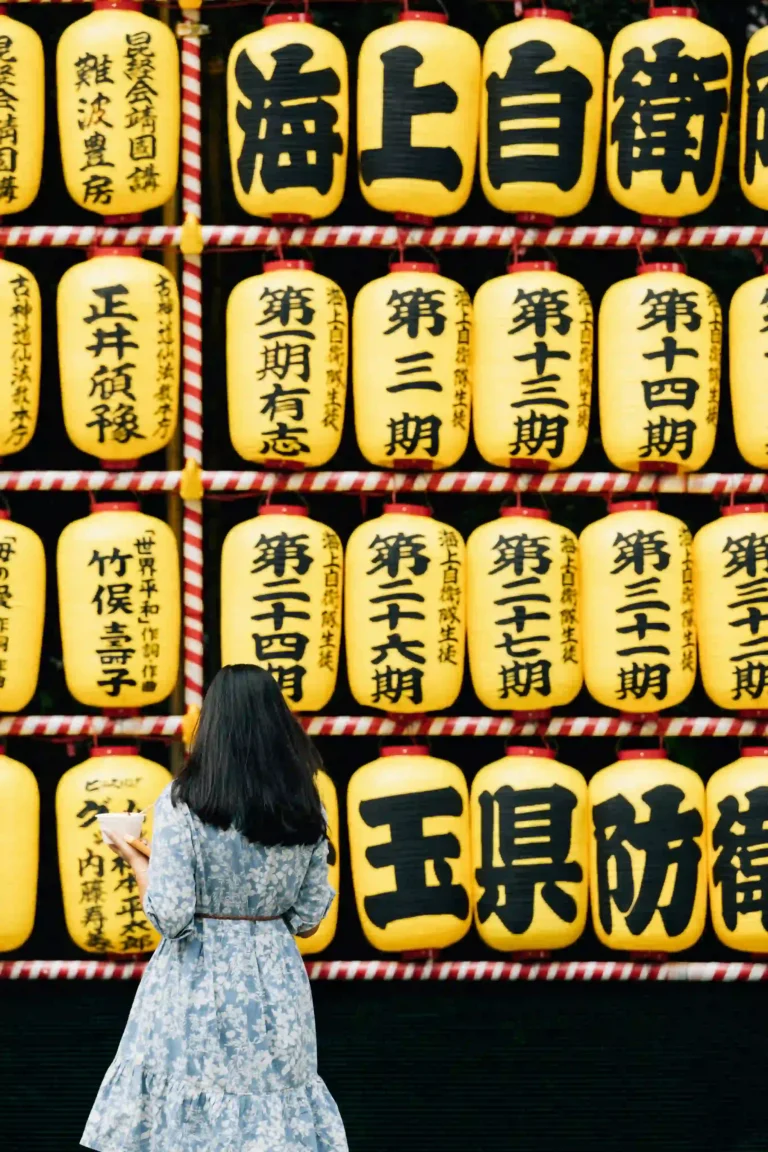
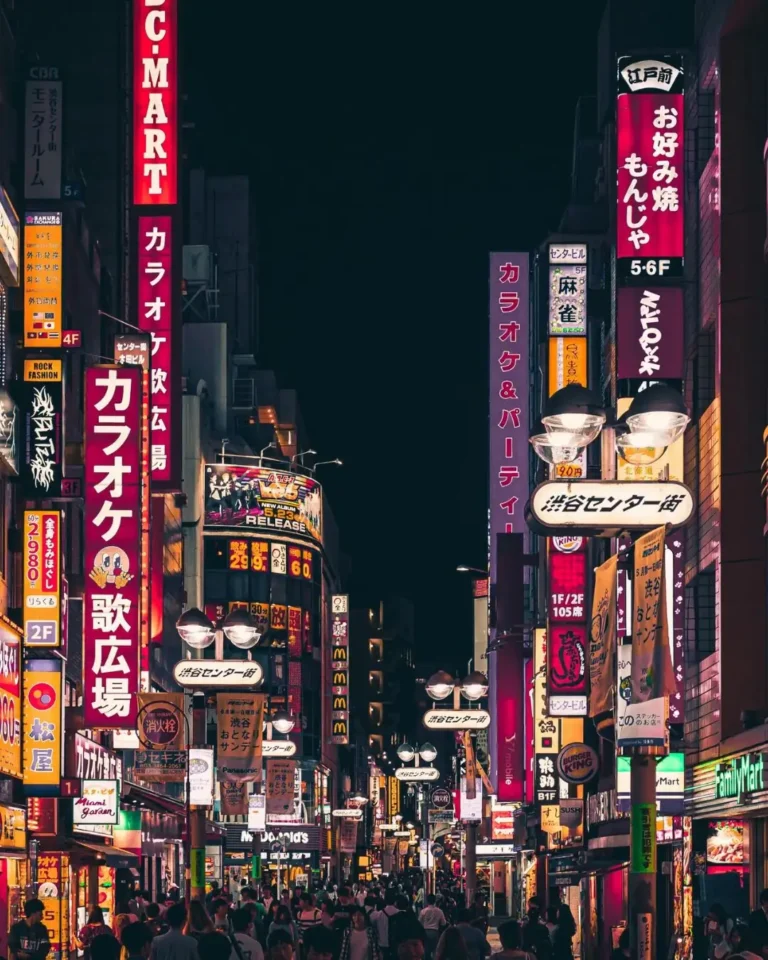
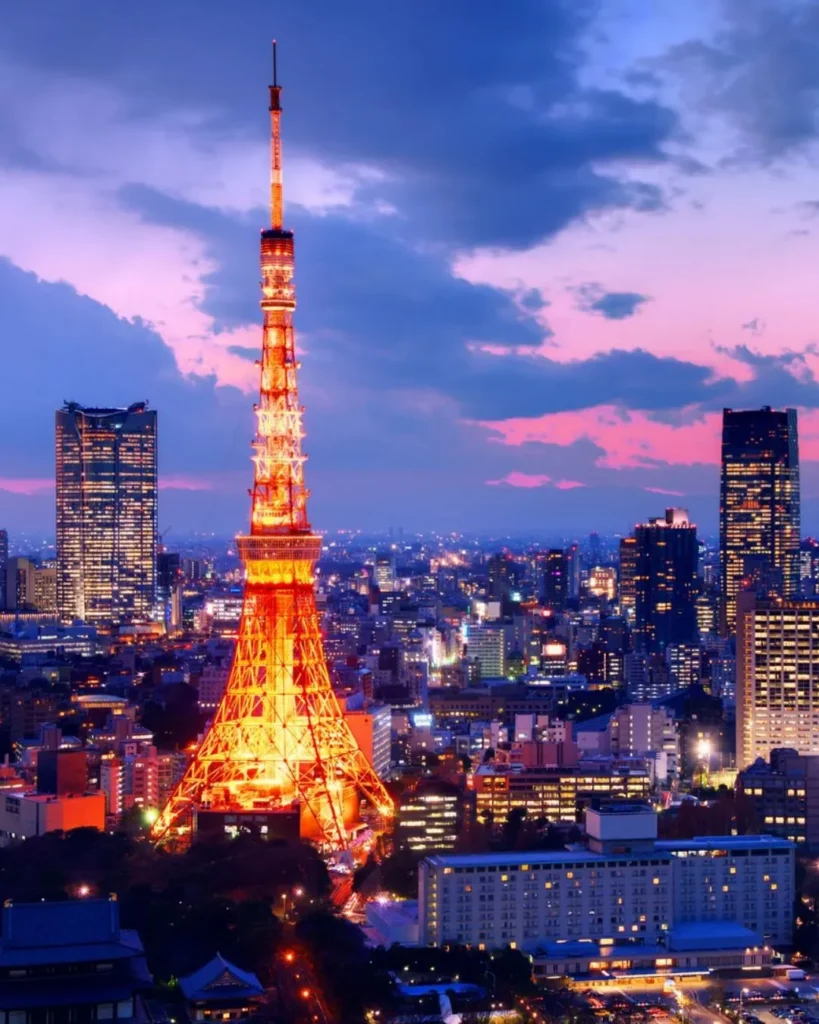
Tokyo is one of those cities that genuinely resists description, not because there is nothing to say, but because almost everything you say about it turns out to be an understatement. Thirty-seven million people live in the greater metropolitan area, and somehow it works. The streets are orderly, the trains run on time with a precision that will ruin every other public transport system for you forever, and the sheer density of things to see, eat, do, and discover is more than you could get through in a year. Every neighbourhood feels like a different city: Akihabara glowing with neon and electronics, Yanaka still looking like it belongs in a different century, Harajuku exploding with fashion, Shinjuku all glass and corporate ambition. A semester in Tokyo genuinely expands what you think a city can be.
For international students, the scale is both the draw and the adjustment. English is widely available in student environments and tourist areas, less so in everyday life. Making genuine connections with local Japanese students takes real sustained effort, and some students never fully bridge that gap. Those who do tend to describe it as the most memorable part of their time in Japan. The city rewards curiosity, patience, and a willingness to look slightly lost for a few weeks while you find your bearings, and then it opens up completely.
Temple University Japan (TUJ) tokyo
The campus is in Setagaya-ku near Sangen-jaya station in central Tokyo. Programmes span International Affairs, International Business Studies, Humanities, Law, Communications, and Social Sciences, with a new Bachelor of Science in Artificial Intelligence launching for Fall 2026. If you are looking for an American-style university education in the middle of one of the world’s greatest cities, taught in English, with the flexibility to continue your studies anywhere in the Temple system, TUJ Tokyo is a genuinely hard offer to beat.
What life actually looks like in Tokyo
Tokyo is expensive, but more manageable than its reputation suggests if you approach it sensibly. Rent in the central wards typically runs ¥60,000–90,000 per month for a single room, and total annual costs for a student including accommodation, food, transport and social life average around ¥870,000–900,000. The metro system will feel overwhelming for the first week or two, and then it will become the most natural thing in the world and you will use it to reach a different corner of the city every weekend for the rest of your semester.
The social landscape takes some navigating. TUJ has an active international student community, which give you a natural social foundation from day one. Beyond that, Japanese social culture tends to operate within established groups rather than across them, so breaking into local social circles requires patience and genuine initiative. But Tokyo is also full of international residents, creative communities, and third spaces (coffee shops, art galleries, underground music venues, climbing gyms, craft beer bars) where connections form more organically if you are willing to show up and be curious.
Kyoto
Kyoto is the kind of city that people describe as magical and mean it literally, not as a cliché. It was Japan’s imperial capital for over a thousand years, and the weight of that history is not tucked away in museums. It lives in the streets, in the wooden machiya townhouses, in the hundreds of temples and shrines scattered across the city and its hillsides, in the seasonal rituals that the city still organises its life around. Walking around Kyoto on a foggy autumn morning when the maple leaves are turning, or through Arashiyama in early spring when the cherry blossoms are at their peak, is an experience that genuinely stays with you in a way that is hard to articulate.
And yet Kyoto is also a completely functional, vibrant, affordable student city. Around 10% of the city’s population are students, one of the highest ratios in Japan, spread across 37 universities. The pace is slower than Tokyo, the scale is human and walkable, and most students get around by bicycle, which in a city this beautiful is less a practical necessity and more a daily pleasure. Compared to Tokyo, life here is noticeably more affordable, and the cultural richness per square kilometre is arguably higher than anywhere else in the country.
Temple University Japan (TUJ) Kyoto
TUJ Kyoto is genuinely exciting in a way that more established campuses rarely are, because it is new enough to still be defining itself but already expanding faster than almost anyone predicted. It opened in January 2025 near the world-famous Fushimi Inari Shrine, and within its first year, enrollment tripled. In under two years, TUJ has signed partnerships with both Kyoto Prefecture and Kyoto City, introduced the Philadelphia Honors Program, launched a Master of Science in Communication Management, hosted its first TEDx event, and expanded to allow students to complete a full degree in International Business Studies entirely in Kyoto. For a campus that is barely a year old, the momentum is remarkable.
Everything that makes TUJ compelling at the Tokyo campus applies here too: the American accreditation, the English-language instruction, the ability to transfer credits between Philadelphia, Tokyo, and Rome. The difference is the setting. Studying at TUJ Kyoto means doing your coursework in one of the most culturally and historically rich cities in the world, with Fushimi Inari, Gion, Arashiyama, and the rest of Kyoto’s extraordinary landscape accessible on any evening or weekend you want to explore.
What life actually looks like in Kyoto
One of the first things students notice when they arrive in Kyoto is how different the atmosphere is from Tokyo: quieter, more composed, with a sense that the city has its own rhythm that it has been following for centuries and is not particularly interested in rushing. Monthly student living costs typically range from ¥80,000–120,000, covering rent, food, and getting around, making it meaningfully more affordable than Tokyo without any sacrifice in quality of life. Many students cycle everywhere, which is both practical and genuinely enjoyable when your route takes you past temple gates and traditional gardens.
Kyoto also offers something Tokyo cannot: genuine immersion without the shortcuts. Unlike Tokyo, there is no large expat bubble to retreat into when navigating Japanese social life feels difficult. The international student community is close-knit and engaged, but it is smaller, which tends to accelerate language acquisition and push students into more authentic interactions with the city and its residents. Students who come to Japan specifically to improve their Japanese, or to experience Japanese culture in a meaningful rather than surface-level way, consistently find that Kyoto delivers this more completely than any other city in the country.

Tokyo vs Kyoto: the honest comparison
This is the section most people jump to first, and the honest answer is that neither city is objectively better. They suit different students and different goals. Here is how they compare across the things that actually matter when you are choosing where to spend a semester.
| Factor | 🗼 Tokyo | ⛩️ Kyoto |
|---|---|---|
|
Teaching language |
English throughout |
English throughout |
|
City scale |
37 million in the metro area — one of the world’s largest |
Compact, walkable, bikeable |
|
International community |
Large, active, easy to enter |
Smaller, close-knit, more integrated |
|
Language immersion |
Available but easy to avoid |
More natural, fewer English shortcuts |
|
Cultural experience |
Urban, contemporary, endlessly varied |
Deep, historical, 17 UNESCO sites |
|
Best for |
Scale, variety, career exposure, city life |
Immersion, culture, language, slower pace |
Choose Tokyo if you want scale, ambition, and energy
Tokyo is the right choice if you want your semester abroad to feel genuinely urban: the full experience of one of the great world cities, with all the stimulation, variety, and possibility that entails. TUJ Tokyo gives you that alongside a diverse, English-language academic environment and the flexibility of the Temple system. If you are thinking about your career, Tokyo is also Japan’s economic capital, which means internship opportunities, professional networking, and proximity to the industries driving the country’s future.
Choose Kyoto if you want depth, culture, and real immersion
Kyoto is the right choice if what draws you to Japan is not the scale but the depth: the sense of being somewhere that has been carefully tended for a very long time and rewards the people who take it seriously. TUJ Kyoto gives you the same academic framework as Tokyo in a setting that is extraordinary even by Japanese standards, and the city’s student-heavy population and compact scale make integration feel genuinely possible rather than aspirational. If improving your Japanese is a real goal, Kyoto accelerates that. If you want to cycle past temple gates on your way to lectures, there is only one answer.
Ready to explore Beyond Abroad programs in Japan? Find your campus in Tokyo or Kyoto and start your application.